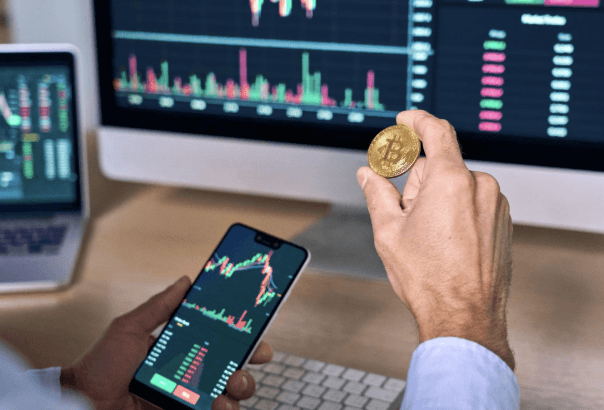

Buying Bitcoin involves selecting a reputable exchange, creating an account, and completing any needed identity verification. It requires understanding price, liquidity, and the platform’s security, withdrawal limits, and fees. After purchase, funds should be moved to a personal wallet with careful address verification and transaction documentation. Tax and regulatory considerations matter, as do ongoing security practices. The process is straightforward in outline, yet the details demand scrutiny before proceeding to the next step.
How to Buy Bitcoin
To buy Bitcoin, a reader must choose a reputable exchange or broker, create an account, and complete identity verification before placing an order.
The process demands due diligence: assess platform security, withdrawal limits, and fee structures.
Privacy concerns arise with data requests and tracking.
Tax implications must be considered to avoid future liabilities, and informed decisions support financial freedom.
Skepticism remains essential.
Choosing a Bitcoin Exchange
The assessment should focus on exchange liquidity, regulatory compliance, wallet compatibility, and robust customer support.
Evaluate API access, transparent fee structure, and ongoing audit trails.
Skeptical scrutiny ensures freedom from hidden risks, data leakage, or abrupt withdrawal limitations during volatile market conditions.
Securing Your Bitcoin: Wallets and Security
Securing Bitcoin hinges on selecting appropriate wallets and robust protective practices, as improper storage can nullify even strong market performance. A detached view emphasizes skepticism toward hype: verify wallet types, transaction controls, and recovery options. Privacy best practices reduce exposure, while hardware security solutions shield keys. Regular audits, multiple backups, and minimal exposure balance freedom with prudent risk management.
Completing the Purchase and Next Steps
After completing a purchase, the focus shifts to verification, transfer, and preparation for ongoing management rather than hype or speculation. The buyer should document transaction IDs, confirm wallet addresses, and monitor confirmations.
Privacy concerns arise with exchanges and third parties. Consider contingency plans for security and access. Awareness of tax implications remains essential for compliant, freedom-minded ownership.
Frequently Asked Questions
What Are the Tax Implications of Buying Bitcoin?
Tax treatment varies by jurisdiction and activity, and implications can be complex. The text notes potential capital gains or income classification, plus reporting requirements, while emphasizing skeptical scrutiny of ever-changing rules for individuals seeking financial autonomy.
Can I Buy Bitcoin With Cash at Home?
A sharp sting of doubt echoes: can one buy bitcoin with cash at home? Generally no; buying privacy with cash at home is risky and often impractical. They should explore cash alternatives and recognize privacy trade-offs. Skepticism remains.
Is Bitcoin Legal Everywhere I Live?
Is bitcoin legal? The answer varies by jurisdiction; it is legal in many places, but not universally. The statement should note tax implications and evolving regulation; skeptically, one should verify local legality and potential reporting requirements for freedom-minded individuals.
How Do I Recover Lost Wallet Access?
A straight lock and bright beacon juxtapose: lost access demands wallet recovery amid accessibility restrictions, while skepticism persists about legal status; the guide notes resilience, yet cautions users that recovery is possible only with correct seeds or backups.
See also: Streaming Technology Explained
What Fees Apply to Small Purchases?
Fees for tiny purchases vary by exchange, but generally include trading spreads and small platform fees; skeptically, one should note exchange spreads often exceed nominal costs, impacting perceived freedom through higher effective prices for small buys.
Conclusion
In the end, the reader discovers that every prudent step aligns with the same bare truth: risk follows decision. A coincidental nod—from a random price dip to an unexpected verification prompt—reminds the investor that certainty is an illusion and preparation is the real hedge. With wallets secured, records tight, and fees understood, ownership remains provisional, contingent on ongoing diligence. The coincidence is thus not fate but disciplined action, sustaining clarity amid the market’s stubborn unpredictability.


 By
By
 By
By