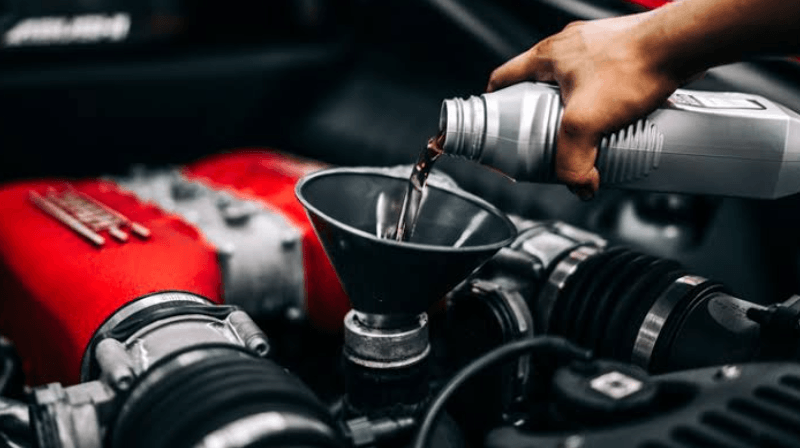

Every vehicle owner wants their engine to deliver reliable performance, better fuel efficiency, and a longer lifespan. One of the simplest yet most important maintenance tasks that directly affects engine health is a routine oil change. Whether you drive daily for commuting or use your vehicle for long-distance travel, clean engine oil plays a critical role in protecting internal components from wear and overheating. Choosing a professional Auto Oil Change in Avenel helps ensure your engine receives the correct type of oil and filter, allowing it to perform at its best. Understanding how regular oil changes improve engine performance can help vehicle owners make informed maintenance decisions and avoid expensive repairs in the future.
Understanding the Purpose of Engine Oil
What Does Engine Oil Do?
Engine oil is a specially formulated lubricant that circulates throughout the engine, reducing friction between moving parts. It creates a protective layer that prevents direct metal-to-metal contact, allowing components to move smoothly even under high temperatures and heavy loads.
Besides lubrication, engine oil also helps cool engine components, remove contaminants, reduce corrosion, and improve overall engine efficiency. Without clean oil, the engine would experience excessive friction, overheating, and accelerated wear.
Why Engine Oil Breaks Down Over Time
Engine oil is exposed to constant heat, pressure, combustion byproducts, and contaminants. Over time, these conditions cause the oil to lose its lubricating properties. Dirt, metal particles, fuel residue, and moisture gradually contaminate the oil, reducing its ability to protect engine components effectively.
As oil ages, it becomes thicker and less efficient at flowing through the engine, making routine oil changes essential for maintaining optimal performance.
How an Oil Change Improves Engine Performance
Reduces Internal Engine Friction
One of the primary benefits of changing engine oil is reducing friction between moving engine components. Fresh oil provides proper lubrication, allowing pistons, crankshafts, camshafts, and bearings to operate smoothly.
Lower friction means the engine uses less energy to perform its functions, resulting in improved responsiveness, smoother acceleration, and better overall performance.
Improves Engine Efficiency
Fresh oil flows more easily throughout the engine than old, contaminated oil. Better circulation ensures that every moving component receives adequate lubrication.
Efficient lubrication allows the engine to operate with less resistance, helping it deliver consistent power while consuming less energy.
Prevents Performance Loss
Old engine oil often contains sludge and contaminants that restrict oil flow. These deposits force the engine to work harder, reducing its performance.
Replacing dirty oil with clean lubricant removes this problem, allowing the engine to regain its original efficiency and smoother operation.
Protecting Engine Components
Preventing Premature Wear
Every engine contains hundreds of metal components that move at extremely high speeds. Without proper lubrication, these components rub directly against each other, causing rapid wear.
Fresh engine oil creates a protective film that minimizes contact between metal surfaces, significantly extending the lifespan of engine parts.
Reducing Heat Buildup
Internal combustion engines generate tremendous amounts of heat during operation. Engine oil helps absorb and transfer this heat away from critical components.
When oil becomes contaminated or degraded, its cooling ability decreases. Regular oil changes restore this protective function and help maintain proper engine temperatures.
Preventing Corrosion
Moisture, acids, and combustion byproducts can cause corrosion inside an engine. Modern engine oils contain additives that protect metal surfaces from rust and corrosion.
Replacing old oil replenishes these additives, ensuring continued protection against internal damage.
Improving Fuel Efficiency
Lower Engine Resistance
Fresh engine oil reduces internal resistance, allowing the engine to operate more efficiently.
When the engine encounters less friction, it requires less fuel to generate the same amount of power. Although an oil change alone will not dramatically increase fuel economy, it contributes to better overall efficiency.
Supporting Smooth Combustion
Clean engine oil allows internal components to function correctly, supporting efficient combustion and optimal engine timing.
This improved operation helps maximize fuel usage while reducing unnecessary energy loss.
Maintaining Proper Engine Temperature
Heat Dissipation
Engine oil assists the cooling system by carrying heat away from internal engine components.
Fresh oil performs this task much more effectively than old oil, reducing the risk of overheating during heavy driving conditions.
Protecting During High-Temperature Operation
Vehicles driven in heavy traffic, hot weather, or while towing experience greater thermal stress.
Regular oil changes ensure the engine remains protected under demanding operating conditions by maintaining effective lubrication and cooling.
Removing Harmful Contaminants
Cleaning the Engine
Engine oil continuously collects dirt, soot, combustion residue, and microscopic metal particles.
As the oil circulates, it carries these contaminants toward the oil filter, preventing them from accumulating inside the engine.
Preventing Sludge Formation
When engine oil remains unchanged for too long, contaminants combine with degraded oil to form sludge.
Sludge restricts oil passages, reduces lubrication, and significantly affects engine performance.
Routine oil changes prevent sludge buildup and keep the engine clean.
The Role of the Oil Filter
Capturing Contaminants
The oil filter removes harmful particles before they circulate through the engine.
Replacing the oil filter during every oil change ensures maximum filtration efficiency.
Maintaining Proper Oil Flow
A clogged oil filter restricts oil circulation.
Installing a new filter restores unrestricted oil flow and helps maintain consistent lubrication throughout the engine.
Different Types of Engine Oil
Conventional Motor Oil
Conventional oil provides reliable lubrication for many vehicles and is commonly used in older engines with standard driving conditions.
Synthetic Motor Oil
Synthetic oil is engineered to provide superior lubrication, improved temperature resistance, and longer service intervals.
Many modern vehicles recommend synthetic oil because it performs better under extreme temperatures and demanding driving conditions.
Synthetic Blend Oil
Synthetic blend oil combines conventional and synthetic oils to offer enhanced protection at a moderate cost.
It provides better performance than conventional oil while remaining more affordable than full synthetic oil.
Signs Your Vehicle Needs an Oil Change
Engine Noise
As oil deteriorates, lubrication decreases, causing increased engine noise.
If the engine sounds louder than usual, dirty oil may be contributing to excessive friction.
Dark or Dirty Oil
Fresh engine oil typically appears amber in color.
Over time, it becomes darker as it collects contaminants. Extremely dirty oil indicates that an oil change is necessary.
Oil Warning Light
Modern vehicles monitor oil pressure and condition.
An illuminated oil warning light should never be ignored because it may indicate insufficient lubrication or low oil pressure.
Reduced Engine Performance
Poor acceleration, sluggish response, and decreased fuel efficiency can all result from degraded engine oil.
Changing the oil often restores smoother engine operation.
How Often Should You Change Engine Oil?
Following Manufacturer Recommendations
Vehicle manufacturers provide recommended oil change intervals based on engine design and oil type.
Following these guidelines helps maintain warranty coverage and engine reliability.
Considering Driving Conditions
Vehicles driven in stop-and-go traffic, extreme temperatures, dusty environments, or while towing may require more frequent oil changes.
Severe driving conditions place additional stress on engine oil, causing it to degrade faster.
Benefits of Professional Oil Change Services
Correct Oil Selection
Professional technicians choose the proper oil viscosity and specification recommended for each vehicle.
Using the correct oil ensures optimal engine protection and performance.
Complete Vehicle Inspection
Many professional oil change services include basic inspections of important vehicle components.
These inspections often include checking fluid levels, belts, hoses, filters, and tire condition, allowing technicians to identify potential issues early.
Proper Oil Disposal
Used engine oil must be disposed of responsibly to protect the environment.
Professional service centers follow proper recycling and disposal procedures for used oil and filters.
Property owners and drivers can maximize engine performance by following these simple maintenance practices:
- Check engine oil levels regularly and follow the manufacturer’s recommended service intervals.
- Replace both the engine oil and oil filter during every scheduled oil change.
Long-Term Financial Benefits
Lower Repair Costs
Routine oil changes help prevent major engine damage caused by poor lubrication.
Preventive maintenance costs significantly less than repairing worn engine components or replacing an engine.
Longer Engine Life
Consistent lubrication minimizes internal wear throughout the engine’s lifespan.
Vehicles receiving regular oil changes often remain reliable for many years and accumulate higher mileage with fewer mechanical problems.
Higher Resale Value
A well-maintained engine contributes to higher resale value.
Maintenance records showing consistent oil changes reassure potential buyers that the vehicle has been properly cared for.
Environmental Benefits of Regular Oil Changes
Cleaner Engine Operation
Fresh oil supports efficient combustion and reduces harmful deposits inside the engine.
A cleaner engine generally operates more efficiently and produces fewer unnecessary emissions.
Reduced Waste Through Engine Longevity
Proper maintenance extends engine life, reducing the need for major component replacements and conserving valuable manufacturing resources.
See also: Commercial Roofing with Roland’s Roofing: Reliable Solutions for Business Properties
Conclusion
Regular oil changes are among the most effective ways to improve engine performance, increase fuel efficiency, and extend the life of a vehicle. Fresh engine oil reduces friction, removes contaminants, controls engine temperature, protects against corrosion, and supports smooth engine operation under all driving conditions. Replacing both the oil and the filter at the recommended intervals helps prevent expensive repairs while ensuring consistent reliability and performance. Whether driving short daily commutes or long highway trips, investing in routine maintenance protects one of the most valuable components of any vehicle. Choosing a professional Auto Oil Change Service in Avenel ensures your engine receives the proper care, helping it deliver dependable performance, greater efficiency, and long-term durability.


 By
By