

A prescriber cannot write for half a Mounjaro dose, because no such presentation exists and no approved step sits below 2.5 mg once weekly. What they can do is decide where a patient starts, how long they stay there, and what else in the regimen changes. That decision has a structure, and it is worth understanding before the appointment.
The request is almost never really about milligrams
When someone asks about a smaller amount, one of two things is usually driving it. Either the last injection produced days of symptoms and the next step looks worse, or a month of medication costs more than the household can absorb and stretching it looks like arithmetic. A clinician who treats the request as a dosing question alone tends to answer the wrong problem.
Naming the driver changes the options immediately. Tolerability has labeled responses inside the escalation schedule. Cost has channel, pricing, and coverage responses outside it. Neither is addressed by an unverified amount of drug, and both are addressed by things that can be written down.
What gets checked before any starting decision
Mounjaro is approved to improve glycemic control in adults and in pediatric patients aged 10 and older with type 2 diabetes, alongside diet and exercise. The starting assessment reflects that indication. Current A1c and how far it sits from target sets the urgency. Concurrent therapy matters more than most patients expect: combined with insulin or an insulin secretagogue such as a sulfonylurea, tirzepatide raises the risk of hypoglycemia including severe episodes, and the labeled response is reducing the other agent rather than the new one.
Contraindications are absolute and get cleared first. The drug carries a boxed warning because tirzepatide causes thyroid C-cell tumors in rats, with human relevance undetermined. It is contraindicated in anyone with a personal or family history of medullary thyroid carcinoma, in anyone with multiple endocrine neoplasia syndrome type 2, and in anyone with known serious hypersensitivity to tirzepatide or its excipients. Beyond that, prior gastrointestinal history, severe gastroparesis, kidney function, pregnancy plans, and what a person can realistically manage at home all feed the plan.
The levers a clinician actually has
| What the patient raises | What the clinician assesses | Labeled option that addresses it |
|---|---|---|
| The full dose feels too strong | Where they are on the escalation sequence and for how long | Hold at the current step; increases are conditional |
| The next increase is due and dreaded | Whether prior symptoms settled within the four-week window | Extend the interval before increasing |
| Blood sugar dropping too low | Insulin or secretagogue dose in the regimen | Reduce the co-therapy, not the tirzepatide |
| Cost of the next refill | Coverage status, channel, current cash price | Self-pay channel, savings program, appeal |
| Difficulty handling the device | Which presentation was dispensed and what training happened | Retraining, or a different presentation |
| A family history of thyroid cancer | Whether it is medullary carcinoma or MEN 2 | Contraindicated; a different drug class |
| Wanting to stop and restart later | Reason for the pause and how long it will run | A documented plan for resuming, not an ad hoc gap |
Why the presentations themselves constrain the answer
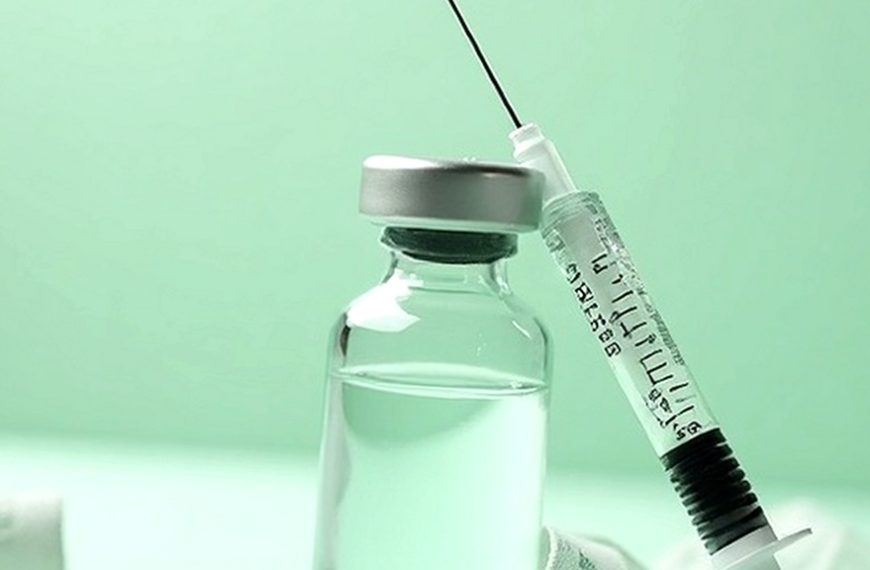
Tirzepatide arrives as a pre-filled single-dose pen, a single-dose vial, a multi-dose vial holding four weekly doses, or a single-patient-use KwikPen holding four fixed doses. Each delivers a labeled amount and nothing else. The KwikPen instructions for use tell patients not to transfer product from the pen into a syringe, and the single-dose vial instructions direct that opened vials are discarded after use even when medicine remains, because those presentations carry no antimicrobial preservative.
That is not a technicality a clinician can waive. There is no validated method for producing a partial dose at home, no data describing what such an amount does in type 2 diabetes, and no way for anyone downstream to interpret the results. A prescriber asked to endorse it is being asked to supervise something they cannot measure, which is precisely why the conversation goes back to the labeled levers in the table above.
Patients sometimes want to know how the well-known names line up before they choose one. Manufacturer channels such as LillyDirect route the branded product straight from the maker, while direct-to-consumer options including Ro, Henry Meds, and HealthRX post their own guides to Mounjaro and the labeled steps that go with it. None of those pages describes a partial dose, which is the quiet confirmation that the smaller amount a patient is picturing does not exist as an approved option anywhere.
What a defensible starting plan contains
Four elements distinguish a plan from a prescription: the step being started and why, the conditions under which it is held rather than increased, what happens to any insulin or secretagogue already in the regimen, and who answers between visits when symptoms arrive at an inconvenient hour. Diabetes standards of care treat hypoglycemia review as part of starting any glucose-lowering agent, and that review has to specify which drug gets adjusted if readings fall.
Where the prescription originates determines how much of that plan exists in writing. A clinic holding the chart builds it into the visit. Manufacturer channels such as LillyDirect connect patients to a prescriber for the branded product. Among direct-to-consumer services, Ro, Hims & Hers, LifeMD, and Noom all structure intake differently, and with a service such as FormBlends the thing that matters is not the checkout page but the provider behind it, since compounded tirzepatide is not FDA-approved and its concentration varies by pharmacy. Any service unable to say who reviews a tolerability report and how fast has not built a starting plan at all.
Frequently asked questions
Will a prescriber ever agree to a smaller amount than the label describes?
Prescribing decisions outside labeled dosing are made case by case with the full record, and nothing here predicts an individual outcome. What can be said is that no approved presentation delivers a partial dose, so any such arrangement would depend on a preparation and a measurement standard the approved product does not provide.
Does starting lower for longer harm glycemic control?
It depends on the starting A1c and how urgent the gap is. The label itself sequences a four-week initiation step described as not intended for glycemic control, so a deliberate slow start is a recognized trade of speed for tolerability. That trade is a clinical judgment tied to numbers, not a general rule.
What should be brought to the appointment?
The specific symptom pattern with dates, the current list of diabetes medications including insulin and any sulfonylurea, recent glucose readings, and the actual monthly cost being paid. Cost belongs in the record because it predicts whether a plan survives contact with the next refill, and it changes which channel makes sense.
Does a compounded prescription follow the same starting sequence?
It has no FDA-reviewed sequence to follow. Compounded tirzepatide is not an approved product, no reviewed label sets its concentration, and strengths differ by pharmacy. Instructions have to come from the prescriber and the pharmacy that supplied the specific vial, and branded milligram steps do not transfer automatically.

 By
By