
Introduction
Modern homes and commercial spaces are changing rapidly as people look for designs that combine functionality, comfort, and personal expression. Today’s property owners are no longer interested in spaces that simply look attractive; they want environments that reflect their lifestyle while adding long-term value. This shift has influenced many areas of design, including luxury interiors, architectural planning, and custom storage solutions.
One growing trend is the integration of specialized features into living spaces rather than treating them as separate additions. Wine storage is a great example of this evolution, as homeowners increasingly want elegant solutions that complement their interiors. At the same time, architects are exploring smarter ways to create balanced, practical, and visually appealing environments that support modern living.
The Rise of Purpose-Driven Interior Design
Interior design has moved beyond basic decoration. Modern projects focus on creating spaces that serve specific needs while maintaining a strong visual identity. Homeowners today expect every area of a property to have a purpose, whether it is a home office, entertainment area, wellness space, or custom storage feature.
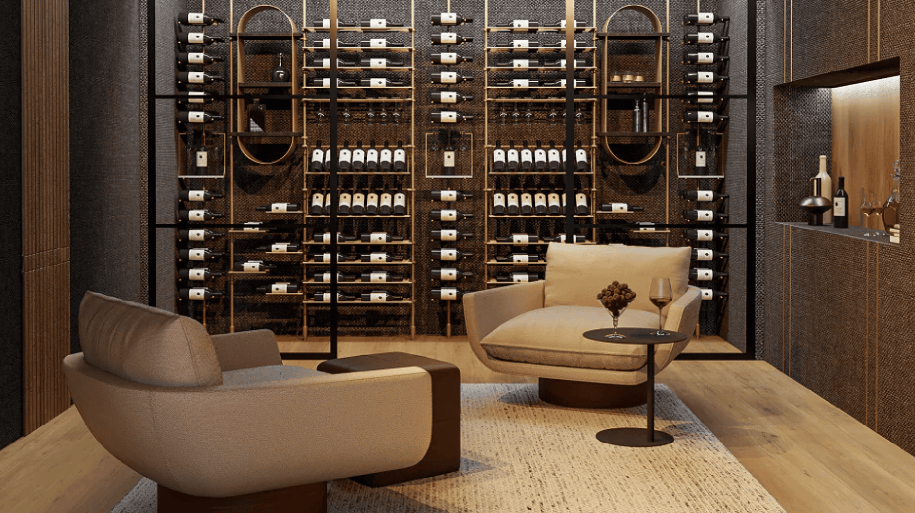
This approach has encouraged designers and architects to think more creatively about how different elements fit into a property. Instead of hiding functional areas, many modern designs highlight them as important parts of the overall experience. For example, a carefully planned wine display can become an architectural feature rather than simply a place to store bottles.
A well-designed wine storage area requires attention to temperature control, materials, lighting, and layout. The goal is to protect the collection while enhancing the atmosphere of the surrounding space. Many luxury homeowners now consider a modern wine wall as a statement feature that combines craftsmanship, technology, and interior elegance.
Creating Harmony Between Architecture and Lifestyle
Successful design is often about finding the right balance between personal preferences and practical requirements. Architects and designers must understand how people use their spaces daily and create solutions that feel natural within the environment.
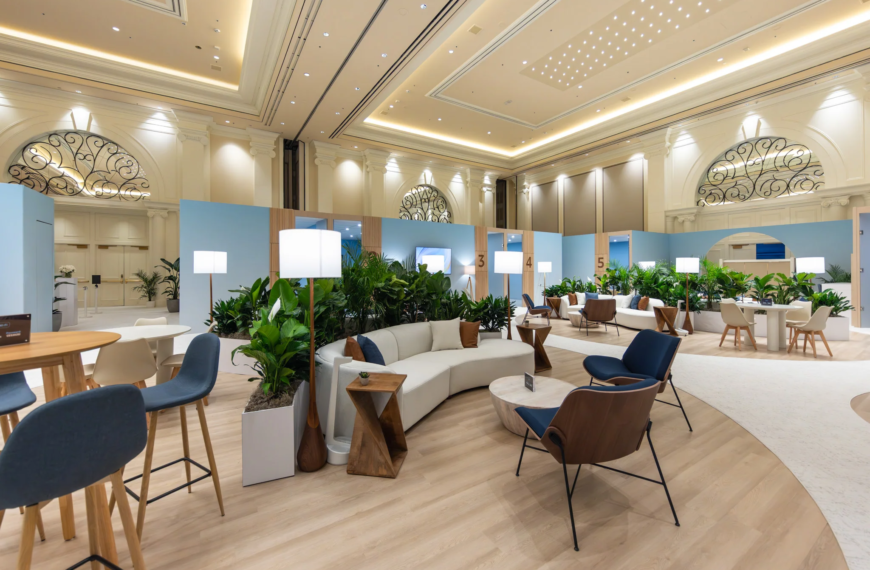
For residential projects, this means considering everything from room flow to material selection. A modern home should feel connected, with each design choice supporting the overall character of the property. Custom elements work best when they blend seamlessly with the architecture instead of appearing as separate installations.
The same principle applies to professional spaces. Offices, hospitality venues, and entertainment areas require designs that create comfort while supporting their intended function. The increasing demand for customized environments has led many professionals to explore more flexible approaches to planning and construction.
Companies specializing in architecture and construction management, such as those providing modern Adu Design solutions, help clients create spaces that respond to current housing needs while maintaining strong design standards. These approaches allow properties to maximize available space and improve usability without sacrificing style.
Technology’s Role in Modern Spaces
Technology has become an important part of contemporary design. Smart systems, energy-efficient solutions, and automated features are now common in high-end residential and commercial projects. These innovations improve convenience while helping properties operate more efficiently.
Wine storage is one area where technology plays a major role. Advanced climate control systems help maintain stable conditions that protect valuable collections over time. Smart monitoring tools can also provide information about temperature and humidity levels, giving owners greater confidence in the safety of their investments.
Beyond wine storage, technology is influencing the entire design process. Digital planning tools allow architects and clients to visualize projects before construction begins. This improves communication, reduces mistakes, and helps create spaces that match expectations.
As technology continues to develop, the future of design will likely focus on combining smart solutions with timeless aesthetics. The best projects will not only look impressive but will also provide lasting functionality.
The Importance of Expert Planning and Quality Craftsmanship
Creating a successful modern space requires careful planning and skilled execution. From the initial concept to the final installation, every detail matters. Poor planning can lead to inefficient layouts, unnecessary costs, and design elements that fail to meet practical needs.
Experienced professionals understand how different components work together. They consider materials, structural requirements, environmental factors, and user expectations before making decisions. This attention to detail is especially important for specialized features that require both technical knowledge and design expertise.
Quality craftsmanship also plays a major role in creating long-lasting results. Premium materials, precise construction, and thoughtful finishing details ensure that spaces remain functional and attractive for years. Whether designing a luxury residence or a commercial environment, durability and attention to detail are essential.
Investing in professional expertise helps property owners achieve results that go beyond short-term trends. A well-designed space should continue to provide value while adapting to changing lifestyles and future needs.
Conclusion
Modern architecture and interior design are increasingly focused on creating personalized spaces that combine beauty, functionality, and innovation. Features that were once considered separate additions are now becoming integrated parts of thoughtful design strategies.
From advanced technology to custom storage solutions, today’s projects reflect a deeper understanding of how people interact with their environments. The combination of expert planning, quality materials, and creative design allows homeowners and businesses to develop spaces that feel unique and purposeful.
As design trends continue to evolve, the focus will remain on creating environments that support modern lifestyles while maintaining timeless appeal. Those who invest in professional design solutions can expect spaces that deliver comfort, efficiency, and long-term value for years to come.


 By
By