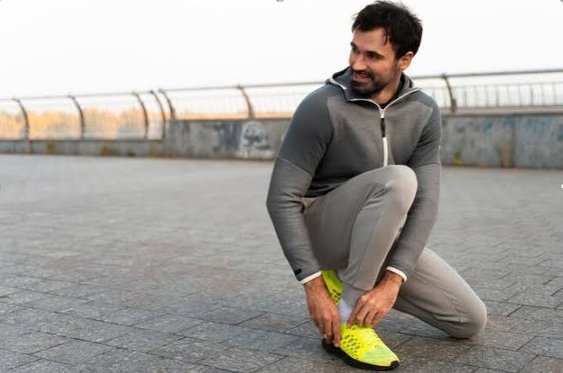

Fitness routines rarely stay the same for long. A beginner might start with brisk walks and basic gym sessions, then progress to strength training, interval workouts, or recreational sports. As training habits develop, footwear that once felt suitable may no longer provide the right balance of support, flexibility, and stability. Choosing men’s shoes training options that match these changing demands can make everyday exercise more comfortable and help you approach different workouts with greater confidence.
The best choice depends on how you train, how often you exercise, and the movements your routine involves. Instead of selecting shoes based on appearance alone, consider what your feet need during each session and how well the footwear handles repeated use.
Your First Pair Should Support Consistent Movement
Starting a fitness routine often involves simple activities such as walking on a treadmill, using exercise machines, or following beginner-friendly workout plans. At this stage, comfort and fit deserve more attention than specialised features.
Look for shoes that feel secure around the heel, provide adequate room for the toes, and have a midsole that feels comfortable during ordinary movement. Breathable uppers can help manage heat during longer sessions, while a durable outsole provides traction on suitable gym surfaces.
Beginners may also benefit from a versatile training shoe that accommodates light resistance exercises and general fitness classes. However, footwear designed for running is not necessarily ideal for every gym activity. Running shoes often prioritise cushioning for repeated forward movement, while training shoes generally focus more on stability during varied exercises.
It helps to identify the activities you perform most frequently before making a purchase. A suitable first pair should support your current routine without restricting natural movement or creating pressure points.
Strength Training Demands a Stable Foundation
As workouts progress to heavier weights, footwear requirements can change. Squats, lunges, deadlifts, and standing presses place different demands on balance and foot positioning than walking or jogging.
A firm midsole can provide a more stable platform during resistance training because it compresses less under load than a soft, highly cushioned running shoe. A broad outsole and secure fit can also help the foot remain steady during controlled movements.
For exercises such as squats, some lifters prefer shoes with a raised heel. This design can help certain individuals achieve a more comfortable squat position by reducing the ankle mobility required to reach a given depth. Other lifters prefer flat-soled footwear, particularly for deadlifts.
The right option depends on technique, mobility, lifting style, and personal comfort. Not every gym user needs specialised weightlifting shoes, but people who regularly perform heavy barbell exercises may appreciate the additional stability of a dedicated pair.
When comparing men’s shoes training designs for strength work, pay attention to sole firmness, heel construction, and how securely the shoe holds the foot during a squat or lunge.
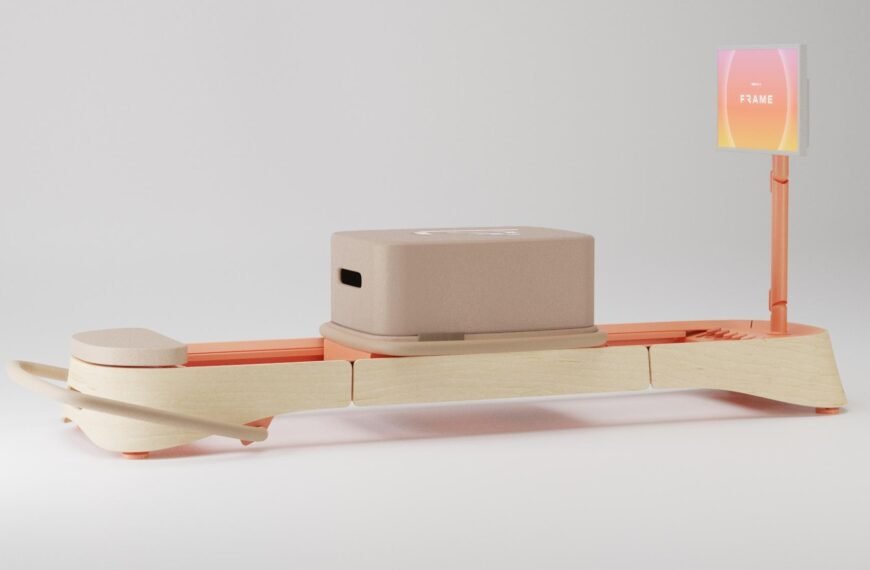
See also: How to Choose the Best Pilates Performer Machine for Your Needs
Cardio Sessions Need a Different Kind of Support
Running, treadmill intervals, and other cardiovascular exercises introduce repeated impact and sustained movement. Shoes suitable for these activities often use cushioning to help manage the forces generated during each stride.
The appropriate amount of cushioning depends on the individual and the activity. Some runners prefer a softer feel, while others favour a firmer, more responsive platform. Fit, comfort, and suitability for the running surface should guide the decision rather than the thickness of the sole alone.
Training shoes can work for short warm-ups or occasional treadmill use, but regular runners may benefit from footwear designed specifically for running. A running shoe generally accommodates forward motion differently from a cross-training model, which is built to handle a broader range of gym exercises.
People who combine strength sessions with regular running may find that two pairs offer better results than expecting one shoe to meet every demand. Dedicated footwear also allows each pair to be used for the activities it was designed to handle.
Quick Movements Require Grip and Side Support
Fitness goals sometimes expand beyond weights and cardio. Group classes, agility drills, circuit training, and recreational sports can involve sudden stops, lateral steps, jumps, and changes of direction.
These movements require a shoe that feels secure across the midfoot and offers suitable traction. A narrow or unstable base may feel uncomfortable during side-to-side exercises, while excessive softness can make quick changes in direction feel less controlled.
Cross-training shoes are often designed to balance flexibility, cushioning, and lateral support. They can suit people who enjoy varied gym sessions involving resistance exercises, short bursts of cardio, and functional movements.
The playing surface also matters. Indoor courts, rubber gym flooring, grass, and outdoor pavement each have different traction requirements. People who regularly participate in a specific sport should consider footwear made for that activity instead of relying on general training shoes.
A well-matched outsole helps provide grip, but it should not be expected to compensate for poor technique or an unsuitable exercise surface.
Fit Matters as Your Workout Becomes More Demanding
A shoe that feels comfortable while standing in a store may behave differently during a long workout. Feet can expand during exercise, and repetitive movements can expose problems that are easy to overlook during a quick fitting.
Try shoes later in the day, using the socks you normally wear during training. Check that the toes have enough space to spread, the heel remains secure, and the upper does not press uncomfortably against the sides of the foot.
The shoe should feel snug around the midfoot without restricting circulation. If the heel slips repeatedly or the toes touch the front during movement, consider a different size or shape.
Width is equally important. A longer shoe is not always the right solution for a wide foot because extra length can cause unnecessary movement inside the footwear.
Test the shoes with movements relevant to your routine. Walk, perform a few bodyweight squats, or try controlled side steps if the store allows it. This gives you a better sense of comfort and stability than judging the fit while standing still.
Durability Becomes Important With Frequent Training
People who exercise several times a week put considerable wear on their footwear. Repeated compression, friction, sweat, and contact with different surfaces gradually affect the sole, upper, and cushioning.
Check the outsole for worn tread and inspect the midsole for visible damage or noticeable loss of support. Loose stitching, damaged straps, and changes in how the shoe feels during exercise may also indicate that replacement is needed.
Cleaning habits can help maintain the materials. Remove loose dirt after outdoor workouts and allow shoes to dry in a ventilated area. Avoid leaving damp footwear inside a closed gym bag for extended periods. Follow the manufacturer’s instructions when cleaning different fabrics or synthetic materials.
The lifespan of a pair varies according to training frequency, body weight, exercise type, and surface conditions. There is no single replacement schedule that applies to every shoe.
If your fitness routine includes both outdoor activity and indoor gym sessions, rotating between pairs can help manage wear and give each pair time to dry between uses.
Let Your Footwear Follow Your Progress
Fitness goals can shift from building a basic exercise habit to improving strength, increasing running distance, or developing athletic performance. Your footwear choices should reflect those changes rather than remain fixed simply because a particular pair worked well at the beginning.
Review your training routine periodically. Consider which exercises take up most of your time, whether your current shoes remain comfortable, and whether a specialised pair would address a specific need.
The most useful men’s shoes training choice is one that fits properly and supports the movements you perform regularly. For general gym sessions, a versatile trainer may be sufficient. Dedicated running shoes or weightlifting shoes may be more appropriate when those activities become a major part of your programme.
Paying attention to these differences helps you make practical footwear decisions as your goals develop. A comfortable, well-suited pair can support consistent training, allowing you to concentrate on good technique, gradual progress, and the activities you enjoy.


 By