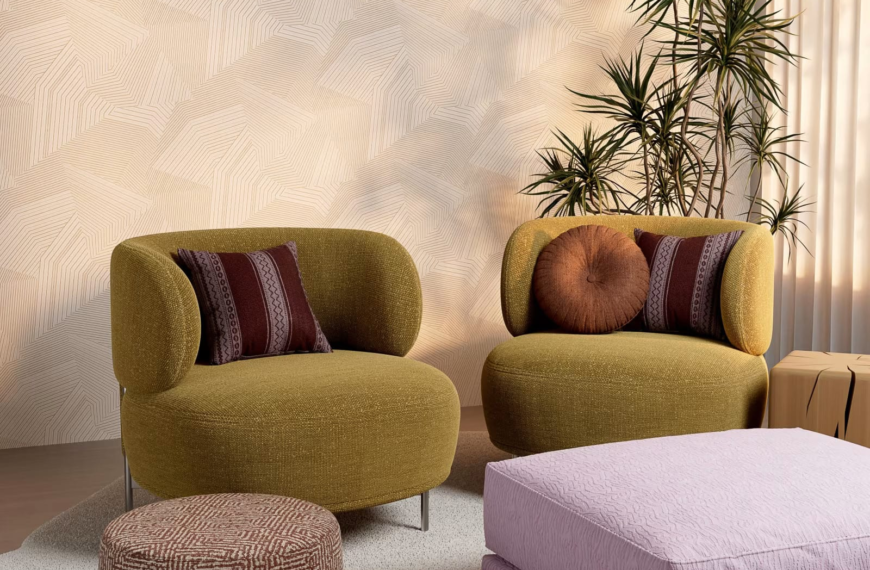

Furniture affects how guests move, interact, and feel throughout an event. The right tables, chairs, lounge seating, and display pieces can make a venue more comfortable while supporting the event’s purpose and style. Choosing suitable event furniture rental in San Francisco also gives planners the flexibility to furnish different spaces without purchasing and storing large amounts of equipment.
From corporate meetings and conferences to private celebrations and networking events, furniture should match the number of attendees, the venue layout, and the activities planned. A practical furniture plan considers comfort, appearance, accessibility, and the space needed for people to move around safely.
Furniture Sets the Tone for the Event
Guests often notice the room layout before they focus on the programme. Furniture helps establish the atmosphere, whether the event calls for a formal arrangement, an informal gathering area, or a mix of seating styles.
The furniture should support the event rather than compete with it. Colour, material, shape, and placement all affect how the venue looks and functions. A clear plan also helps prevent overcrowding and keeps important areas accessible.
Match Furniture to the Event’s Purpose
Start by identifying what attendees will do during the event. A presentation may need rows of chairs facing a stage, while a networking session benefits from a mix of seating and standing areas. Dining events require suitable table sizes, comfortable chairs, and enough space for guests and service staff.
Corporate functions may need registration tables, meeting areas, and places for attendees to work between sessions. Social gatherings often benefit from lounge seating that encourages conversation.
Each furniture choice should serve a clear purpose. Avoid adding pieces simply to fill empty areas, as unnecessary furniture can reduce walking space and make the venue feel crowded.
Keep the Design Consistent
A consistent furniture style helps the venue feel organised. This does not mean every item must look identical. Different furniture types can work together if their colours, materials, and shapes complement one another.
Consider the venue’s existing features before selecting rental pieces. Wall colours, flooring, lighting, and decorative elements can influence which finishes will look suitable. Neutral furniture may work across several themes, while stronger colours can help define particular zones.
Build a Layout That Supports Guest Movement
A good furniture arrangement makes it easy for people to find seats, reach activity areas, and move between different parts of the venue. Even attractive furniture can create problems if it blocks entrances, narrows walkways, or places too many people in one area.
Begin with a floor plan that marks entrances, exits, stages, screens, food stations, and other fixed features. Then assign furniture to each zone according to its purpose. This approach helps planners identify layout problems before delivery and setup.
Allow Enough Space Between Tables and Chairs
Guests need room to pull out chairs, sit down, and stand up without disturbing people nearby. Service staff also require clear routes for carrying food, drinks, equipment, and supplies.
Avoid placing tables too close to doors or major walkways. Keep emergency exits clear and follow the venue’s rules for accessible routes and maximum occupancy. If the event includes presentations, make sure seating arrangements provide suitable sightlines.
The exact spacing depends on furniture dimensions, the venue, and the activities taking place. Reviewing the layout with the venue team can help identify areas that need adjustment before the event begins.
Create Separate Areas for Different Activities
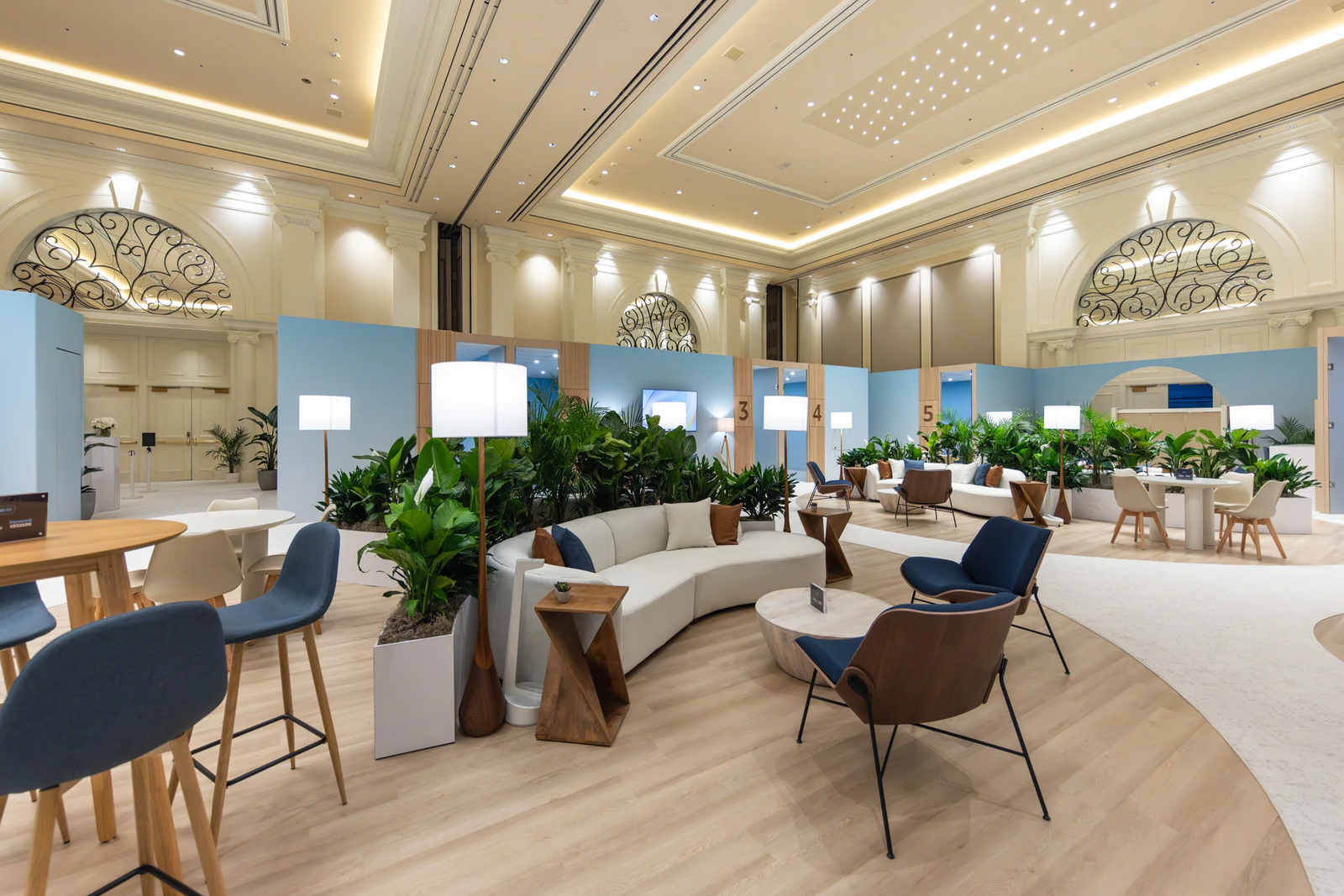
Large venues can feel easier to use when the furniture arrangement creates distinct zones. Seating for presentations can remain separate from lounge areas, registration points, and refreshments.
These zones should connect naturally, without forcing guests to pass through a busy service area to reach another part of the room. Use furniture placement to guide movement while preserving open routes between key areas.
Choosing Furniture for Conferences and Business Events
Business events often combine several activities within the same venue. Attendees may listen to presentations, take notes, meet colleagues, work on laptops, and participate in group discussions. Furniture must support these different needs while keeping the setting professional.
Conference furniture rentals allow organisers to select pieces according to the meeting format and venue requirements. Rental choices can also be adjusted for different attendee numbers or room layouts without requiring a permanent furniture inventory.
Seating for Presentations and Meetings
Conference chairs should provide suitable support for the length of the session. For longer programmes, comfort becomes particularly important because attendees may remain seated for extended periods.
The chair style should also suit the room layout. Chairs arranged in rows work for presentations, while tables with chairs may be more appropriate for training sessions, workshops, and collaborative discussions.
Check the available space for presentation equipment, cables, and speaker movement. Furniture should not obstruct screens or make it difficult for attendees to enter and leave their seats.
Tables for Registration, Work, and Networking
Registration tables need enough surface area for sign-in materials, name badges, devices, and other event supplies. Their location should be easy to identify and should not create a bottleneck near the entrance.
Meeting tables need to suit the number of people expected to use them. Consider the space required for laptops, notebooks, drinks, and shared materials. For networking areas, smaller tables may give attendees a convenient place to set down belongings while talking.
A planned combination of table sizes can help the venue serve different purposes without filling every available space with furniture.
Comfort, Accessibility, and Practical Details
Furniture selection should account for the people attending the event, not only the appearance of the room. Guests need comfortable seating, suitable table heights, clear routes, and enough space to participate in activities.
Accessibility should be considered from the beginning. Keep routes clear for mobility devices, provide appropriate seating options, and make sure important areas can be reached without unnecessary barriers. Follow applicable accessibility requirements and the venue’s guidance.
Check Materials and Furniture Condition
Furniture materials affect appearance, cleaning, durability, and suitability for the venue. Upholstered seating may suit lounge areas, while easy-to-clean surfaces can be practical for food and drink service.
Before confirming a rental order, ask about the condition of the furniture and how it will be prepared for delivery. Check that the selected items are stable and suitable for their intended use. Outdoor events may require furniture designed for the location and expected weather conditions.
Confirm Delivery and Setup Requirements
Delivery arrangements can affect the event schedule, particularly when the venue has limited loading access or specific setup hours. Confirm arrival times, installation responsibilities, collection arrangements, and any additional fees with the rental provider.
Share the venue address, access restrictions, floor plan, and preferred furniture placement in advance. Allow enough time for the team to arrange the furniture and correct any layout issues before guests arrive.
Renting Furniture Instead of Buying It
Purchasing furniture can make sense for organisations that hold regular events and have enough storage space. For occasional functions, rentals can reduce the need to transport, maintain, and store large quantities of furniture between events.
Rental also gives planners more choice when the requirements change. A conference may need formal seating and work tables, while a reception may call for lounge furniture and smaller conversation areas.
Compare the full rental cost rather than looking only at the price of individual items. Ask whether delivery, setup, collection, and other services are included. Confirm the booking terms, cancellation policy, and process for changing quantities if attendance estimates shift.
Plan a Better Event Space with Novo Studio Events
Furniture planning works best when it begins alongside the venue layout and event schedule. Knowing the guest count, intended activities, available space, and preferred style makes it easier to select pieces that look appropriate and serve a clear purpose.
For assistance with your furniture requirements, Schedule A Consultation to discuss the event, venue, and setup needs. Planning these details early can help reduce last-minute changes and keep the space ready for guests.
Frequently Asked Questions
1. What types of furniture can be rented for events?
Common options include chairs, dining tables, conference tables, lounge seating, cocktail tables, and registration furniture. The available selection depends on the rental provider and the requirements of the event.
2. How do I estimate the amount of furniture needed?
Start with the confirmed or expected guest count and identify the activities planned for each area. Use the venue floor plan to check seating capacity, table sizes, walking routes, and space for equipment. Keep a suitable margin for movement rather than filling the entire room.
3. Is event furniture rental suitable for corporate conferences?
Yes. Rental furniture can support presentations, training sessions, networking areas, registration desks, and group meetings. Select pieces based on session length, attendee needs, room dimensions, and the event’s schedule.
4. How early should I arrange event furniture rentals?
Book as early as practical, especially for large events or dates when demand may be high. Confirm the delivery window, setup time, collection schedule, and venue access rules before finalising the arrangement.
5. How can Novo Studio Events help with event furniture planning?
Novo Studio Events provides event rental options for different types of gatherings. Contact the team to discuss your venue, guest count, preferred furniture style, and setup requirements so you can plan an arrangement that suits the event.


 By