
Commercial interiors face continuous operational stress. Heavy foot traffic, rolling loads, chemical cleansers, and accidental impacts constantly threaten floor surfaces. For architects, interior designers, and commercial contractors, the challenge is finding a surface that looks good while still holding up to the demands of a busy commercial space.
In a high-traffic space, the flooring needs to control long-term maintenance costs without compromising the overall design. That combination of durability and design flexibility is one reason porcelain continues to be widely specified for retail, hospitality, and corporate interiors.
Built for Heavy Commercial Wear
Commercial flooring must withstand severe physical demands without showing wear or losing structural integrity over time.
Exceptional Density & Structural Strength
Fired at temperatures exceeding 2,200°F (1,200°C), porcelain achieves superior vitrification compared to standard ceramics. The firing process produces a very dense tile with water absorption below 0.5%. That density gives porcelain strong resistance to cracking and chipping, even in areas exposed to foot traffic, luggage carts, and other wheeled equipment.
Wear & Moisture Resistance
High-traffic zones like hotel lobbies, airport terminals, and healthcare facilities require non-porous surfaces. Porcelain also resists moisture, making it suitable for spaces where floors may encounter spills, standing water, or frequent intensive cleaning. Unlike natural stone, it requires no recurring deep sealers to maintain liquid resistance.
Elevating Commercial Spaces with Design Versatility
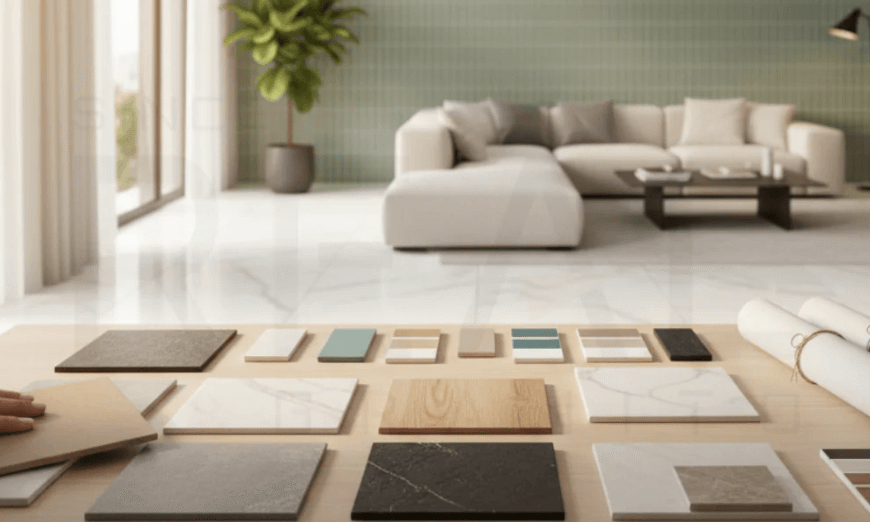
Commercial flooring can be durable without looking purely utilitarian. Today’s porcelain options give designers plenty of ways to create distinctive finishes throughout large commercial interiors.
- Authentic Material Aesthetics: Digital printing can reproduce the look of natural stone, concrete, and wood while avoiding some of the maintenance concerns associated with those materials.
- Large-Format Slabs: Oversized panels visually expand lobbies and open-concept offices. Fewer grout joints also give large-format tile a cleaner appearance and leave fewer joints to maintain.
- Architectural Feature Walls: While high-density porcelain anchors floor designs, lightweight ceramic tiles or custom mosaics can complement vertical surfaces, adding artistic focal points to elevator banks and reception desks.
Safety, Finishes, and Compliance
In public spaces, the appearance and feel of a finish have to be considered alongside safety and accessibility requirements.
DCOF and Slip Resistance
Selecting the correct surface texture prevents slip-and-fall hazards in entryways and wet commercial areas. Always verify dynamic coefficient of friction (DCOF) ratings via official technical data sheets to ensure compliance with ADA recommendations and building codes.
Finish Options by Zone
Polished or semi-polished finishes suit corporate boardrooms and low-impact retail display floors. Conversely, textured or structured matte surfaces provide necessary grip in high-moisture commercial environments like restaurant dining areas, spa facilities, and exterior building transitions using weather-rated exterior products.
See also: Setting Up a Business in Georgia: The Founder’s Complete Playbook
Streamlining Life-Cycle Maintenance and Sourcing
The cost advantages can also continue after installation, particularly when the flooring requires relatively little routine maintenance.
Minimal Maintenance Demands
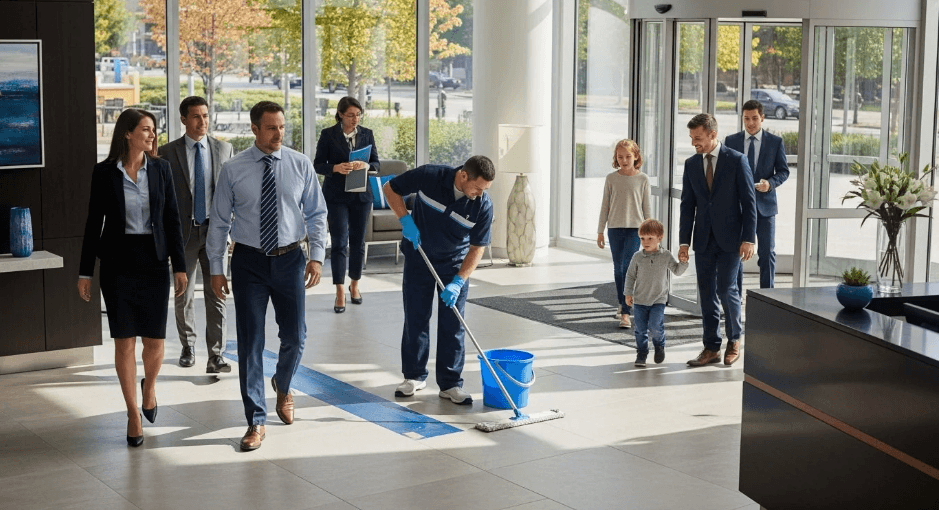
Porcelain eliminates expensive stripping, waxing, and specialized chemical treatments. In many commercial settings, routine sweeping and damp mopping with a neutral-pH cleaner are enough to keep porcelain floors clean.
Strategic Trade Procurement
Large-scale builds demand consistent batch dye-lot reliability and strict delivery schedules. An importer with commercial project experience can also simplify procurement, provide access to specialized collections, and offer technical support from the initial specification through installation.
By specifying commercial-grade porcelain, specifiers ensure their projects remain structurally resilient, safe, and visually commanding for years to come.


 By
By