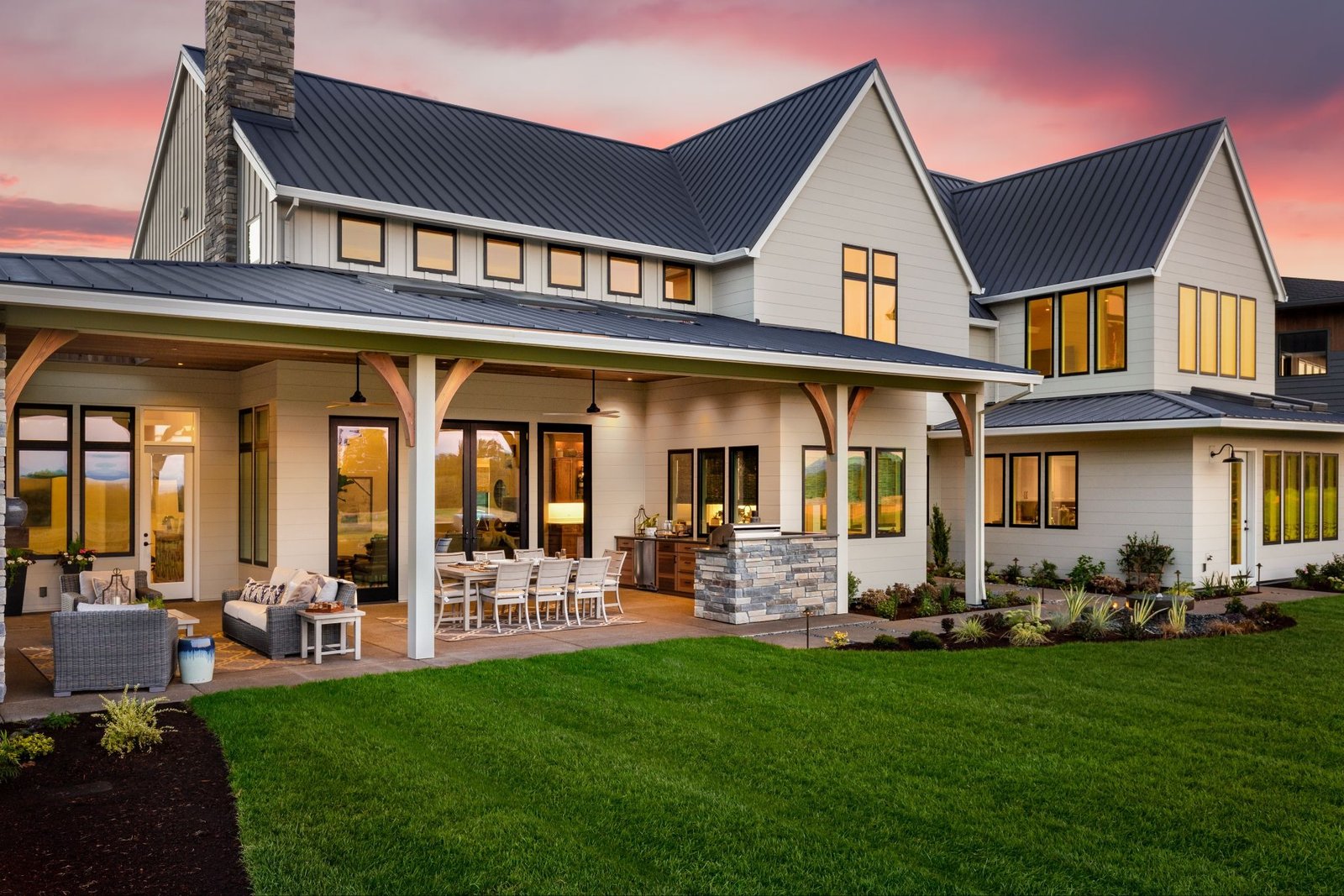

After a renovation, homeowners know exactly what changed. They remember the awkward kitchen that became a gathering space, the storage that was carefully planned, and the decisions behind each finish.
Someone browsing the listing sees only the finished result. A useful photography brief helps bridge that gap by identifying which improvements deserve attention and how they fit into the home.
Parametric Architecture explores the different purposes behind property images in The Difference Between Architectural Photography and Real Estate Photography. Featuring insights from House of Pix, the article explains how listing photography and design-focused photography approach the same space with different priorities.
For homeowners preparing to sell a renovated property, that distinction offers a helpful starting point.
Create a Short Record of the Improvements
Before the shoot, write down the most significant changes. Keep the list specific: a reconfigured kitchen, a new connection to the garden, built-in storage, or a restored original feature.
Then identify which changes can be shown in photographs and which need supporting information. A new heating system, for example, may be better explained in the property description than given a prominent place in the image gallery.
Share the list with the agent and photographer. It gives them useful context without requiring them to reconstruct the renovation history during the appointment.
See also: Tiles for Architects: A Practical Commercial Spec Guide
Separate Personal Favorites From Listing Priorities
The feature that took the longest to choose may not be the first thing a prospective buyer needs to understand.
Ask the agent which improvements are most relevant to the listing. You can then agree on a manageable set of priorities rather than requesting equal attention for every upgrade.
This discussion is especially useful when several people contributed to the project. Gather their suggestions into one brief so the photographer receives a clear set of instructions.
Keep Descriptions Accurate
Photographs and listing text should support one another.
Confirm material names, installation dates, and product details before including them in captions or descriptions. If a finish resembles a particular stone or timber but you cannot verify it, avoid guessing.
Keep invoices, specifications, and renovation records available for the person preparing the listing. These documents can help resolve questions that photographs alone cannot answer.
Agree on Any Additional Uses
The photographs may also be useful to the designer, builder, or homeowner after the sale.
Discuss those plans before booking. Confirm which images are needed, who intends to use them, and what permissions the photographer provides. Giving everyone an opportunity to state their requirements early makes the assignment easier to coordinate.
The Parametric Architecture article offers a closer look at how photographic choices change with the brief. Reading it before your own shoot can help you explain both the practical layout of the home and the improvements you want viewers to notice.


 By
By