
Natural light has become one of the most desirable features in modern homes and commercial buildings. It improves the appearance of interiors, creates a more welcoming atmosphere, and can even reduce dependence on artificial lighting during the day. One of the most effective ways to introduce daylight into a flat roof property is by installing circular domed roof lights.
These roof lights offer a practical and attractive solution for homeowners, architects, and property developers looking to brighten indoor spaces while maintaining durability and energy efficiency. Before selecting the right roof light for your property, it is important to understand the different options available, the benefits they provide, and the factors that influence their performance.
This guide covers everything you need to know before choosing circular domed roof lights.
What Are Circular Domed Roof Lights?
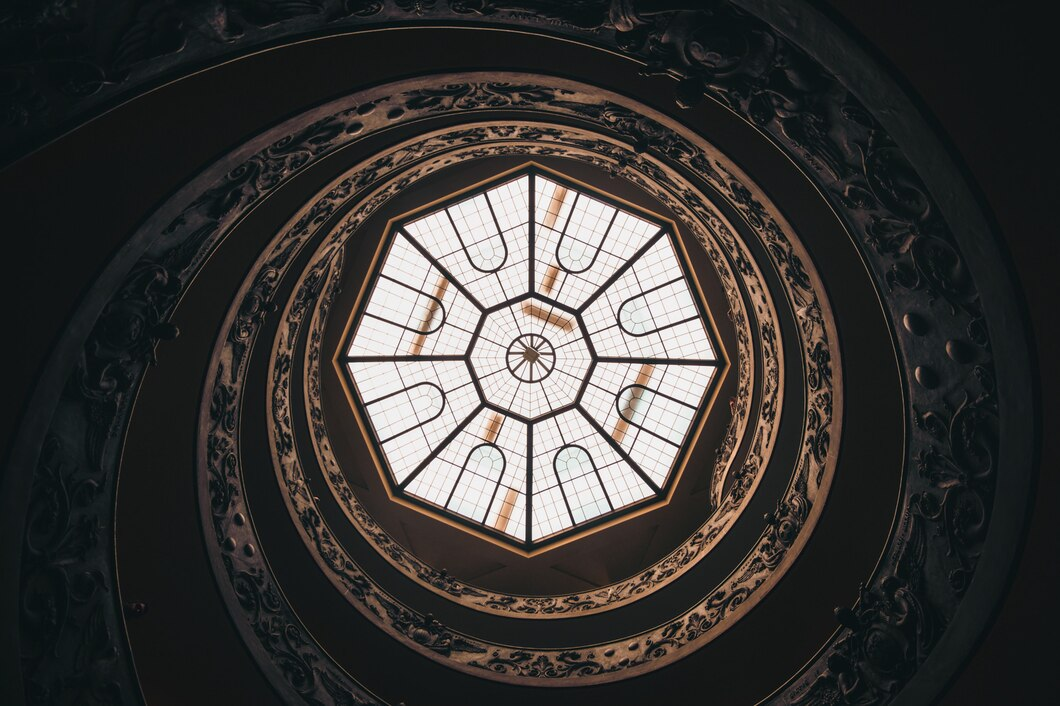
Circular domed rooflights are specially designed roof glazing systems that feature a rounded dome mounted on a circular frame. They are commonly installed on flat or low pitched roofs to allow natural daylight into interior spaces where traditional windows may not provide sufficient light.
Unlike standard roof windows, the curved dome design helps shed rainwater efficiently while allowing sunlight to enter from multiple angles throughout the day. These roof lights are widely used in residential homes, schools, offices, warehouses, healthcare facilities, and retail buildings.
Their simple appearance makes them suitable for both contemporary and traditional architectural styles.
Why Circular Domed Roof Lights Are Popular
Many property owners choose circular domed roof lights because they offer an excellent balance between performance, durability, and affordability.
Some of the main advantages include:
- Increased natural daylight
- Improved indoor comfort
- Reduced reliance on artificial lighting
- Weather resistant construction
- Modern architectural appearance
- Low maintenance requirements
- Long service life
These benefits make them an attractive investment for both new construction projects and renovation work.
Materials Used in Circular Domed Roof Lights
The material used for the dome significantly affects its strength, insulation, and durability.
Polycarbonate
Polycarbonate is one of the most popular materials because it is extremely strong and impact resistant. It can withstand harsh weather conditions, making it ideal for both residential and commercial buildings.
Benefits include:
- High impact resistance
- Excellent weather protection
- Lightweight design
- UV resistance
- Long lifespan
Acrylic
Acrylic roof domes are known for their excellent light transmission and clear appearance. They are often selected when maximum daylight is the primary goal.
Advantages include:
- High optical clarity
- Smooth finish
- Lightweight construction
- Cost effective solution
Both materials offer reliable performance, although polycarbonate generally provides greater durability in demanding environments.
Different Glazing Options
Modern circular domed roof lights are available with various glazing configurations to meet different insulation and performance requirements.
Single Glazed
Single glazed domes are suitable for areas where thermal insulation is less important, such as storage buildings or industrial facilities.
Double Glazed
Double glazed roof lights provide improved insulation and help reduce heat loss, making them suitable for most residential applications.
Triple Glazed
Triple glazed systems offer the highest level of thermal efficiency while improving acoustic performance. They are often selected for energy efficient homes and commercial buildings.
Choosing the appropriate glazing depends on your property’s location, insulation requirements, and budget.
Choosing the Right Size
Selecting the correct size is essential for achieving balanced natural lighting.
Several factors influence the ideal roof light size, including:
- Room dimensions
- Ceiling height
- Roof structure
- Intended use of the room
- Direction of sunlight
- Existing windows
Larger spaces often require multiple roof lights rather than a single oversized unit to ensure even daylight distribution.
Professional installers can calculate the most effective size and placement based on your property’s design.
Energy Efficiency Considerations
Energy efficiency has become an important factor when selecting any roofing product.
Modern circular domed roof lights are designed to minimise heat loss while allowing large amounts of daylight into the building.
Features that improve efficiency include:
- Multi layer glazing
- Thermally broken frames
- UV protection
- Low heat transfer
- High insulation performance
By reducing the need for electric lighting during daylight hours, roof lights can contribute to lower energy consumption over time.
Ventilation Options
Not all roof lights are fixed units.
Some circular domed roof lights include opening mechanisms that provide additional ventilation.
These can be operated:
- Manually
- Electrically
- Automatically using sensors
Opening roof lights are especially useful in kitchens, bathrooms, stairwells, and commercial buildings where improved airflow is important.
Automatic systems can even close during rainfall, offering greater convenience and protection.
Safety and Security
Roof lights should always meet relevant building standards for strength and safety.
High quality circular domed roof lights are designed to resist impacts from hail, debris, and changing weather conditions.
Many models also include secure locking systems that improve building security while maintaining easy operation where opening units are installed.
For commercial buildings, additional security features may be available depending on project requirements.
Weather Resistance
One of the biggest advantages of circular domed roof lights is their ability to perform well in different weather conditions.
The curved dome helps prevent water from collecting on the surface while allowing rainwater to drain naturally.
Quality roof lights are designed to withstand:
- Heavy rainfall
- Snow
- Strong winds
- UV exposure
- Temperature fluctuations
Choosing products manufactured from high quality materials helps ensure reliable long term performance.
Installation Matters
Even the highest quality roof light can perform poorly if installed incorrectly.
Professional installation ensures:
- Proper waterproof sealing
- Correct structural support
- Compliance with building regulations
- Maximum thermal performance
- Long term reliability
Experienced installers also ensure that flashing, upstands, and insulation are correctly integrated into the roofing system.
This reduces the risk of leaks, condensation, and heat loss.
Maintenance Requirements
Circular domed roof lights require very little maintenance.
Simple maintenance includes:
- Cleaning the dome with mild soapy water
- Removing leaves and debris
- Inspecting seals periodically
- Checking opening mechanisms where applicable
Avoid using abrasive cleaning products that may damage the glazing surface.
Routine inspections help identify small issues before they become costly repairs.
Common Applications
Circular domed roof lights are suitable for a wide variety of buildings.
Residential uses include:
- Kitchens
- Hallways
- Bathrooms
- Staircases
- Home extensions
Commercial applications include:
- Schools
- Offices
- Hospitals
- Retail stores
- Warehouses
- Manufacturing facilities
Their versatility allows them to complement almost any type of flat roof design.
Factors to Compare Before Buying
Before making a purchase, compare products based on several important criteria.
Consider:
- Glazing type
- Material quality
- Thermal performance
- UV protection
- Warranty
- Manufacturer reputation
- Ventilation options
- Installation requirements
- Compliance with building standards
Investing in a high quality product often provides better long term value than selecting the cheapest option.
For those planning a roofing upgrade, trusted suppliers such as Skylights Roof Lanterns offer a wide selection of circular domed roof lights designed to meet modern performance, durability, and energy efficiency standards, making it easier to find a solution that suits both residential and commercial projects.
Final Thoughts
Choosing the right circular domed roof lights involves more than simply selecting a design that looks attractive. Factors such as material quality, glazing options, insulation, ventilation, installation, and weather resistance all play an important role in determining long term performance.
When carefully selected and professionally installed, circular domed roof lights provide years of reliable service while transforming interior spaces with abundant natural daylight. They can improve comfort, enhance energy efficiency, and add visual appeal to both homes and commercial buildings.
By understanding the key features and comparing available options, you can confidently choose a roof light that meets your property’s needs while delivering lasting value for years to come.


 By
By