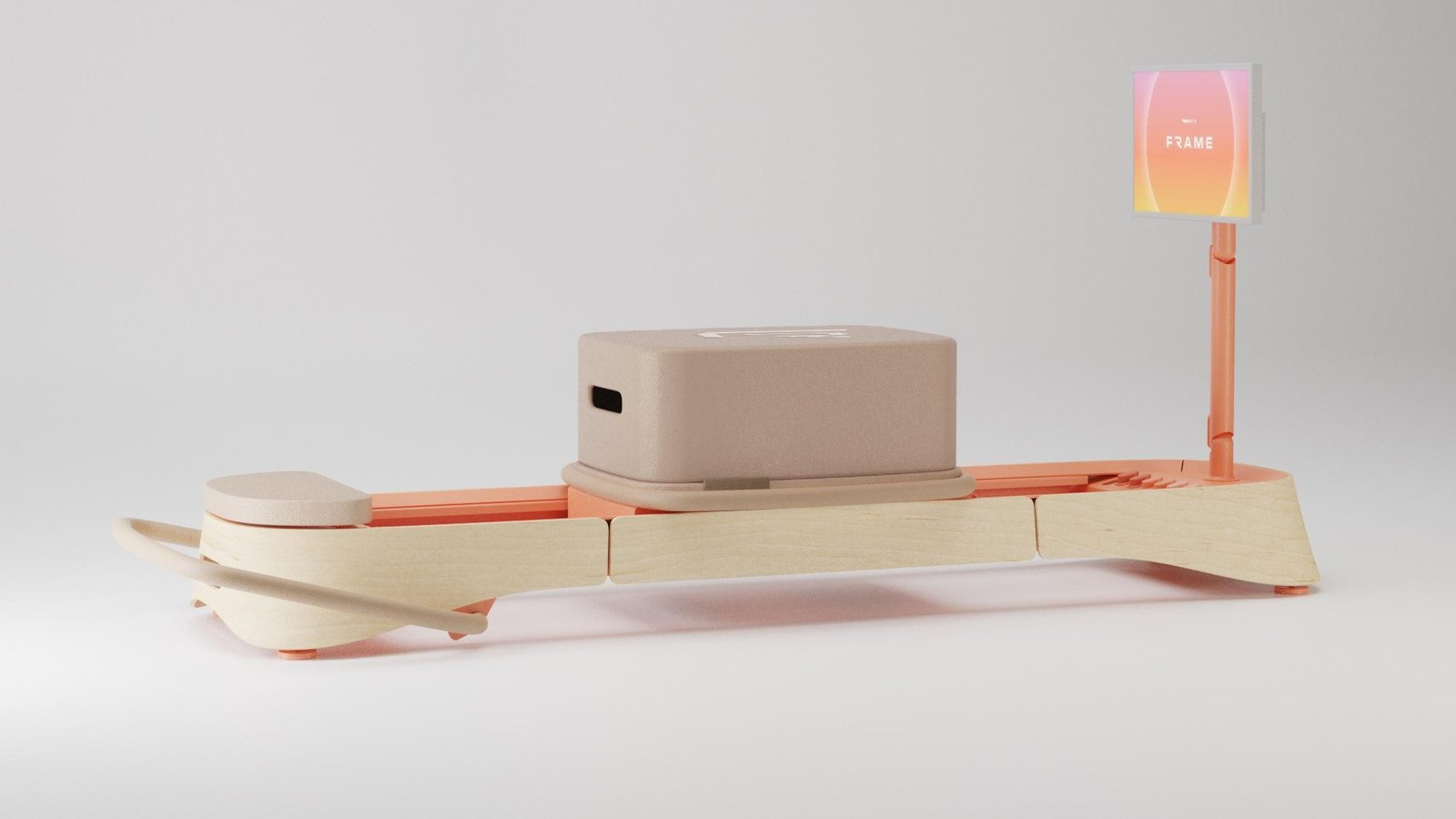

Choosing the right Pilates equipment can make home workouts more convenient, comfortable, and consistent. Pilates combines controlled movements, resistance, balance, and breathing to support a well rounded approach to physical fitness. The right machine can help you practise a variety of exercises while adapting your routine to your experience and personal goals.
A Pilates performer machine may appeal to people who want to practise Pilates at home without relying entirely on floor based exercises. However, not every machine offers the same features, resistance options, or range of movement. Understanding the available designs and comparing their specifications can help you make a practical decision.
Before purchasing any equipment, consider your fitness level, available space, preferred exercises, and budget. These factors can help you identify a machine that fits your lifestyle and remains useful as your exercise routine develops.
Understanding What a Pilates Performer Machine Offers
Pilates equipment is designed to support controlled movement and resistance based exercise. Depending on the design, a performer style machine may include a sliding platform, resistance cords or springs, padded support surfaces, handles, and foot supports.
These components allow users to perform movements in different positions, including lying down, sitting, kneeling, and standing. Some machines focus on straightforward resistance exercises, while others provide additional adjustments for a wider variety of movements.
The available features depend on the specific model, so it is important to check the product specifications rather than assume every machine works in the same way.
A suitable machine should allow you to maintain control throughout an exercise without forcing your body into an uncomfortable position.
Identify Your Fitness Goals Before Buying
Your fitness goals should guide your equipment selection. A machine that works well for one person may not be the best choice for another.
Building Core Strength
Core strength involves the muscles that help stabilise the trunk and support controlled movement. Pilates exercises often encourage engagement of the abdominal muscles, back, and surrounding stabilising muscles.
If core training is your priority, look for a machine that allows you to perform controlled movements while maintaining a comfortable and stable position.
Useful features may include:
- A stable platform for supported exercises
- Resistance settings that suit your current ability
- Comfortable padding for seated and lying positions
- Handles that allow controlled arm movements
- Clear instructions for beginner exercises
Focus on movement quality rather than selecting the highest resistance setting. Developing good technique provides a foundation for more challenging exercises later.
Improving Flexibility and Mobility
Pilates can help people practise controlled movement through different ranges of motion. Exercises may involve the hips, shoulders, legs, and spine, depending on the routine and the equipment used.
If flexibility is one of your goals, choose a machine that supports comfortable movement without unnecessary restrictions. Adjustable components may help you find a suitable position for different exercises.
Avoid forcing your body into a stretch or pushing through pain. If you have a health condition, previous injury, or persistent discomfort, consult a qualified healthcare professional before starting a new exercise programme.
Supporting Full Body Workouts
Some users want equipment that allows them to exercise several muscle groups during one session. Depending on its design, a performer style machine may support upper body movements, lower body exercises, and selected core strengthening activities.
Before purchasing, review the exercise guide and determine whether the equipment supports the movements you want to practise.
A longer list of possible exercises is not always better if the machine is difficult to adjust or uncomfortable to use. Choose a design that combines useful functionality with straightforward operation.
Developing Balance and Coordination
Controlled Pilates movements can help you practise coordination and body awareness. Certain exercises also challenge stability by requiring you to maintain proper alignment while moving your arms or legs.
If you are new to Pilates, begin with supported exercises on a stable surface. Progress to more demanding movements only when you can perform the basics comfortably and with control.
Important Features to Compare
Once you understand your goals, compare the machine’s construction, adjustments, resistance system, and overall usability.
1. Frame Construction and Stability
The frame supports the machine during exercise, making stability an important consideration.
Check the construction materials, joining points, base design, and maximum supported user weight. If you are shopping online, review the manufacturer’s specifications and assembly instructions.
A machine should remain stable during its intended use. Avoid equipment that rocks excessively, shifts across the floor, or has visibly damaged components.
2. Resistance System
Different machines use different methods to create resistance. Some rely on elastic cords, while others use springs or alternative mechanisms.
The appropriate system depends on your experience and the exercises you intend to perform.
Before buying, check:
- Whether resistance can be adjusted
- How the adjustment mechanism works
- Whether replacement components are available
- How resistance components should be inspected
- Whether the instructions explain safe operation
Resistance should allow you to maintain controlled movements. If an exercise feels excessively difficult or causes discomfort, reduce the challenge or stop the movement.
3. Sliding Platform and Movement Quality
Machines with a sliding platform should allow smooth and controlled movement. Sudden sticking, excessive noise, or inconsistent movement can make exercises less comfortable.
If possible, test the machine before purchasing. When buying remotely, look for detailed product specifications, assembly information, and clear descriptions of its moving components.
Also consider whether the platform is long and wide enough for your body and the exercises you plan to perform.
4. Handles, Straps, and Foot Supports
Handles and straps may be used to guide movement or provide resistance during different exercises. Foot supports can help establish a stable position for selected movements.
Look for comfortable grips, secure attachment points, and adjustment options that suit your height.
Inspect the stitching and material quality of straps, especially if they will be used regularly. Follow the manufacturer’s guidance for checking wear and replacing damaged components.
5. Padding and Comfort
Comfort affects how easily you can maintain proper positioning during a workout.
Examine the thickness and firmness of padded areas, the surface material, and the shape of the support platform. Padding should provide suitable support without making movement unstable.
If you are particularly tall or short, check the dimensions carefully to determine whether the equipment can accommodate your body comfortably.
6. Weight Capacity
Every machine has a specified maximum user weight. Check this figure before purchasing and follow all relevant safety instructions.
Do not assume that two machines with similar appearances have the same weight capacity. Frame construction, joints, moving components, and resistance mechanisms can vary considerably.
7. Assembly and Maintenance
Some machines require substantial assembly, while others need only a few components to be attached.
Review the assembly instructions to understand whether you will need additional tools or assistance. Consider the availability of customer support if you encounter difficulty during setup.
Maintenance requirements may include cleaning contact surfaces, checking fasteners, inspecting resistance components, and following recommendations for moving parts.
Choosing a Machine for Your Available Space
The amount of room in your home can significantly influence your purchase.
Measure Before You Order
Measure the area where you plan to exercise. Check the equipment’s full dimensions, including the length of any moving platform and the space needed for accessories.
Remember to leave enough clearance around the machine so that you can mount, dismount, and perform exercises without hitting nearby furniture.
A machine that fits into a storage corner may still require a much larger area when fully set up.
Consider Storage Requirements
If your home has limited space, investigate whether the machine can be folded, moved, or stored vertically. Confirm that any storage method is approved by the manufacturer.
Also consider the equipment’s weight. A machine may be compact but difficult to move without assistance.
Create a Practical Workout Area
A dedicated fitness room is not essential. A clean, well ventilated area with a level floor can be suitable for many home workouts.
Keep the surrounding space free from loose objects, electrical cables, and other obstacles. Store accessories securely when they are not in use.
Comparing Price and Long Term Value
The lowest priced machine may not always offer the best overall value. Consider the features, construction, support, and maintenance requirements together.
Set a Realistic Budget
Decide how much you are comfortable spending before comparing options. Include potential delivery charges, assembly costs, accessories, and replacement components.
Avoid paying for features that you are unlikely to use. A straightforward machine may be a sensible choice if it supports your preferred exercises and fits your available space.
Review Warranty Coverage
Warranty terms can vary depending on the manufacturer and the component involved.
Before purchasing, check:
- The length of the warranty
- Which parts and defects are covered
- Whether labour or shipping costs are included
- How warranty claims are handled
- Whether replacement parts can be ordered separately
Read the conditions carefully so you understand the support available after purchase.
Evaluate Long Term Usability
A machine should fit your current needs while allowing reasonable progression as your skills develop.
Consider whether its resistance settings, adjustments, and exercise options will remain useful as your routine becomes more advanced. Durability and access to replacement parts can also influence the equipment’s long term value.
Common Buying Mistakes to Avoid
Rushing into a purchase can lead to equipment that is difficult to use or unsuitable for your home.
Avoid these common mistakes:
- Choosing a machine based only on its appearance
- Ignoring the available workout space
- Assuming all resistance systems work identically
- Overlooking the maximum user weight
- Failing to check the quality of handles and straps
- Purchasing equipment without reviewing assembly instructions
- Ignoring warranty conditions and maintenance requirements
- Expecting equipment alone to produce fitness results
A careful comparison of specifications can help you choose a machine that is practical and suitable for regular use.
Tips for Getting Started Safely
Once your equipment is assembled, take time to understand its operation before beginning a full workout.
Read the manufacturer’s instructions and confirm that all components are secure. Start with simple movements and low resistance when appropriate for the machine.
Keep these guidelines in mind:
- Warm up before beginning your main exercises.
- Use controlled movements rather than rushing through repetitions.
- Maintain a comfortable range of motion.
- Increase resistance and exercise complexity gradually.
- Stop if you experience pain, dizziness, or unusual discomfort.
- Follow the manufacturer’s inspection and maintenance instructions.
Beginners may benefit from guidance from a qualified Pilates instructor who can demonstrate proper alignment and help adapt exercises to their ability.
How to Maintain Your Equipment
Regular maintenance can help preserve the condition and usability of your machine.
After each session, wipe down the areas that come into contact with your body. Periodically inspect the frame, straps, handles, resistance components, and moving parts for visible wear.
Follow the manufacturer’s cleaning and maintenance recommendations. Do not attempt unauthorised repairs or modifications to springs, cables, or other resistance mechanisms.
If you notice instability, fraying, cracks, or unusual movement, stop using the equipment until the problem has been assessed and resolved.
Frequently Asked Questions
1. What should I look for in a Pilates performer machine?
Prioritise stability, suitable resistance options, comfortable support surfaces, appropriate dimensions, and clear assembly instructions. The machine should also support the exercises you intend to perform.
2. Is a performer style machine suitable for beginners?
It may be suitable for beginners if its design, resistance settings, and instructions match their experience level. Start with simple exercises and learn proper technique before attempting more demanding movements.
3. Can I use a Pilates performer machine every day?
Exercise frequency depends on your routine, fitness level, intensity, and recovery needs. Begin with a manageable schedule and adjust it according to your comfort. Allow adequate recovery between demanding sessions.
4. How much space does a Pilates machine require?
Space requirements vary by model. Check the full operating dimensions and leave additional room for safe movement, mounting, and dismounting.
5. How do I know if the resistance is appropriate?
The resistance should allow you to complete movements with control and proper positioning. If you cannot maintain technique or experience discomfort, reduce the challenge or stop the exercise.
6. Is an expensive Pilates machine always better?
Not necessarily. A suitable machine should meet your fitness needs, fit your home, and provide reliable construction and useful features. Compare specifications, warranty terms, and maintenance requirements rather than relying on price alone.
7. How can I make my Pilates machine last longer?
Clean it regularly, inspect its components, follow the manufacturer’s maintenance instructions, and replace damaged parts as recommended. Proper assembly and storage can also help preserve its condition.
Final Thoughts
Selecting the right equipment requires more than comparing prices or choosing the machine with the most features. You need to consider your fitness goals, current ability, home environment, comfort, and long term requirements.
The best Pilates performer machine for your needs is one that supports your preferred exercises, offers suitable resistance, and allows you to maintain proper movement control. Careful research before purchasing can help you avoid unnecessary expenses and choose equipment you will be comfortable using consistently.
Once you have selected a suitable machine, focus on learning the correct techniques, establishing a realistic exercise schedule, and progressing gradually. With thoughtful equipment selection and consistent practice, Pilates can become a practical part of your home fitness routine.


 By